

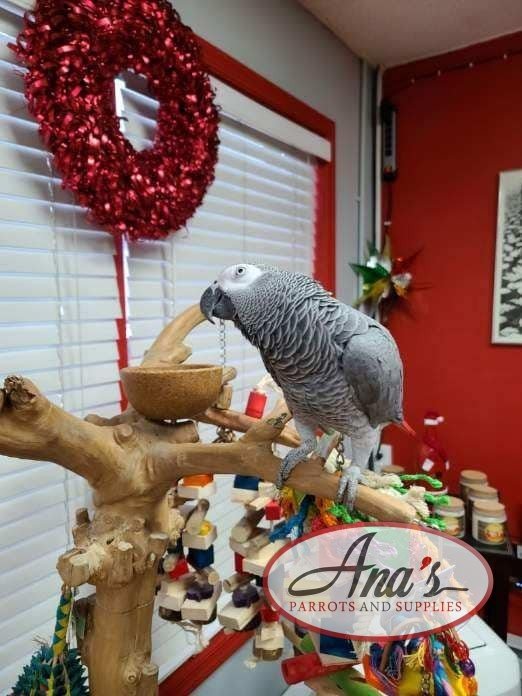




How Much Does a Baby Congo African Grey Cost in 2026?
Are you considering adding a feathered friend to your family? The baby Congo African Grey might just be the perfect choice. Known for their intelligence and striking appearance, these parrots capture the hearts of many bird enthusiasts. But before diving into this exciting adventure, it’s essential to understand what you’re getting yourself into—especially regarding cost and care in 2026. Contact Breeder
As demand for these adorable companions continues to rise, so does their price tag. Knowing how much a baby Congo African Grey costs can help you budget effectively. Plus, understanding key characteristics compared to other species will aid in making an informed decision about which parrot fits best with your lifestyle.
Let’s explore everything from the cost of acquiring one of these captivating birds to essential care tips that ensure they thrive in your home! Contact Breeder
Baby Congo African Grey vs Baby Timneh: Key Differences Explained
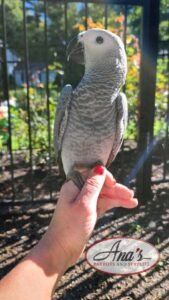 The baby Congo African Grey and the baby Timneh are both stunning parrots, but they have distinct differences.
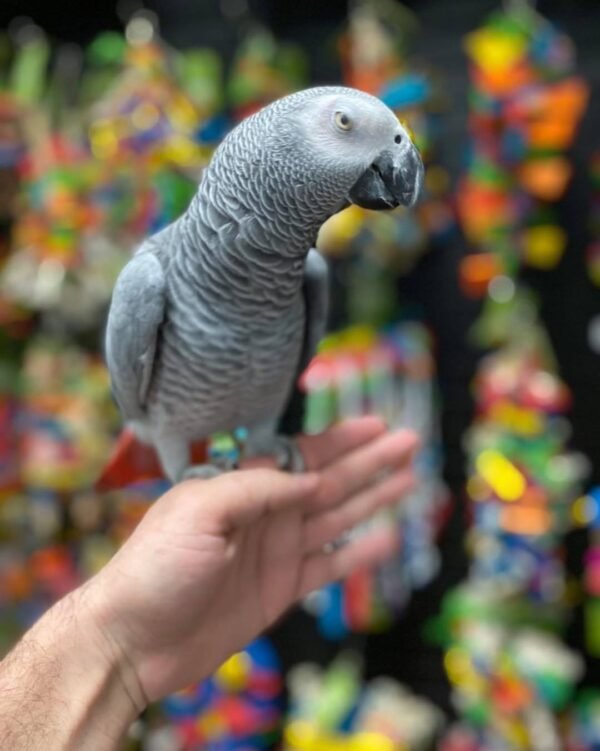
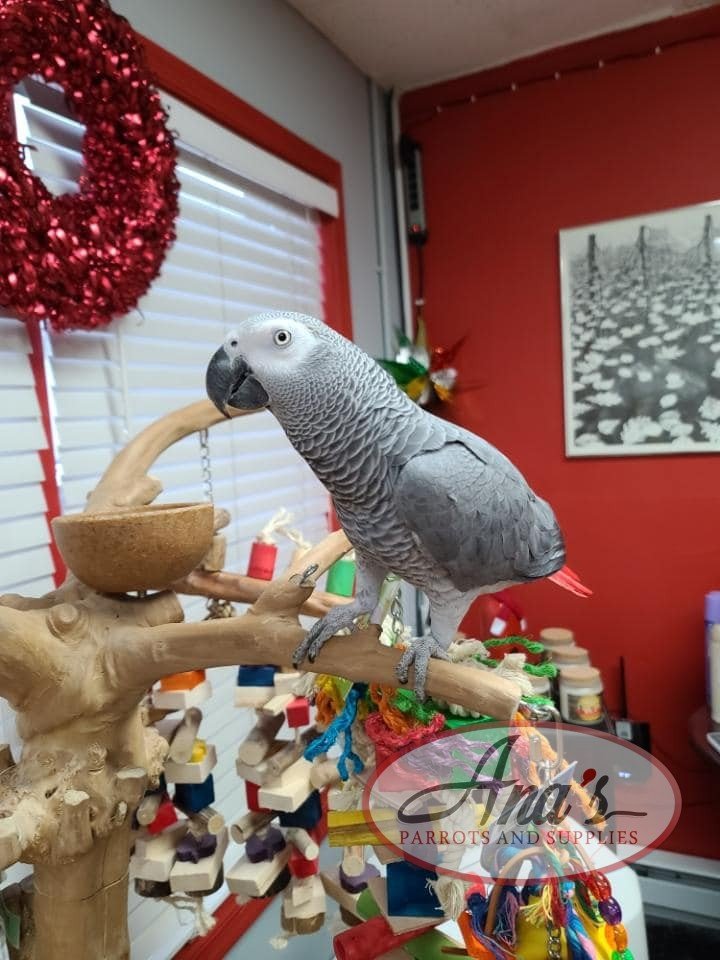
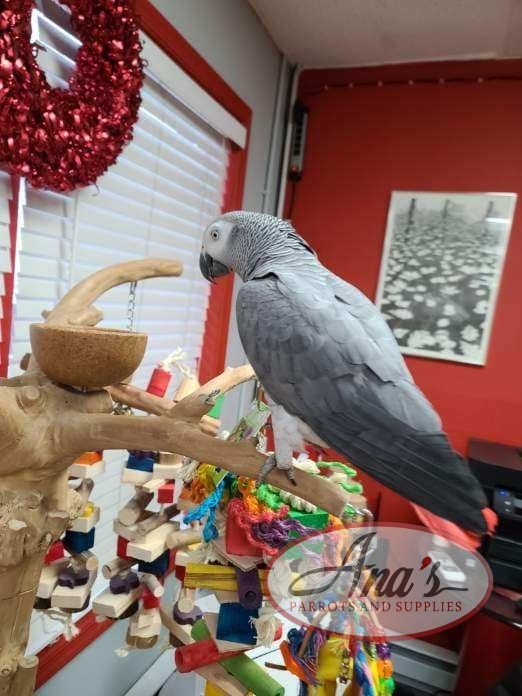
The Congo African Grey is larger, typically reaching about 12 to 14 inches in length. Its feathers are a striking shade of light gray with bright red tail feathers that stand out beautifully. This species is known for its exceptional vocal abilities and intelligence. Contact Breeder
In contrast, the Timneh African Grey is smaller, usually around 9 to 11 inches long. Its plumage features darker gray tones and a unique maroon tail that sets it apart from its bigger counterpart.
While both varieties boast impressive cognitive skills, many owners find the Congo more talkative. The Timneh may be slightly easier to handle due to its smaller size. Understanding these nuances can help prospective owners choose which parrot aligns better with their lifestyle and preferences. Contact Breeder
Best Cage, Toys, and Accessories for a Baby Congo African Grey
Choosing the right cage for a baby Congo African Grey is crucial for their well-being. Opt for a spacious, durable cage made from safe materials. A bar spacing of ½ inch to ¾ inch ensures they can’t escape or get stuck.
Toys are essential to keep your parrot mentally stimulated. Look for wood chews, puzzle toys, and swings designed specifically for African Greys. They love toys that challenge them and encourage natural behaviors like chewing and climbing. Contact Breeder
Accessories also play a vital role in creating an engaging environment. Include perches of varying sizes and textures to strengthen their feet. Food bowls should be sturdy yet easy to clean.
Don’t forget about enrichment! Rotate toys regularly to maintain interest and prevent boredom. An enriched space fosters happiness in your baby Congo African Grey while keeping them active and healthy.
Common Health Issues in Baby Congo African Grey Parrots
Baby Congo African Grey parrots are vibrant and intelligent companions, but they can face several health challenges. One common issue is feather plucking, often caused by stress or boredom. It’s crucial to provide mental stimulation through toys and social interaction. Contact Breeder
Respiratory problems may arise due to poor air quality or exposure to toxic fumes. Ensure their environment is well-ventilated and free of harmful substances like smoke or aerosols.
Obesity is another concern that might affect these birds if they’re not fed a balanced diet. Monitor their weight closely and offer a variety of healthy foods.
Be aware of potential infections, particularly in the beak or skin areas. Regular veterinary check-ups will help catch any issues early on for prompt treatment. Keeping an eye on your bird’s behavior can alert you to any changes that might signal underlying health concerns. Contact Breeder
What to Feed a Baby Congo African Grey for Healthy Growth
Feeding a baby Congo African Grey is vital for its growth and well-being. A balanced diet will help ensure your parrot thrives as it matures. High-quality pellets should form the base of their diet, providing essential nutrients. Contact Breeder
Fruits and vegetables are also crucial. Fresh options like apples, carrots, broccoli, and leafy greens introduce variety while delivering vitamins and minerals. Always wash produce thoroughly to remove pesticides.
Nuts can be offered in moderation as treats or rewards; they are high in fat but provide protein too. Just remember to avoid salty or sugary snacks.
Water must always be fresh and clean—replace it daily to keep your feathered friend hydrated. Contact Breeder
Pay attention to portion sizes; overfeeding can lead to obesity. Regular vet check-ups will help monitor dietary needs as your baby Congo African Grey grows into an adult bird. Contact Breeder
Establishing healthy eating habits early will set the stage for a long, vibrant life with your new companion.

Kristie Fletcher –
Absolutely stunning and brilliant!