
Congo African Grey
Out of stock
How Much Does a Congo African Grey Parrot Cost in 2026?
Congo African Grey parrots are captivating creatures known for their intelligence and striking appearance. As one of the most popular pet birds, they have charmed countless bird enthusiasts with their playful personalities and remarkable ability to mimic human speech. If you’re considering adding a feathered friend to your family in 2026, it’s essential to understand not just the initial cost but also what it takes to care for these magnificent birds.
This blog will delve into crucial aspects of owning a Congo African Grey, from distinguishing them from their Timneh counterparts to ensuring they thrive in your home. Whether you’re a seasoned parrot owner or new to avian companions, this guide aims to equip you with everything you need for a fulfilling journey together. Let’s dive into the world of Congo African Greys!
Congo African Grey vs Timneh African Grey: Key Differences Explained
The Congo African Grey and Timneh African Grey are often confused due to their similarities, but they have distinct characteristics that set them apart.
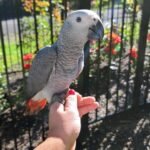
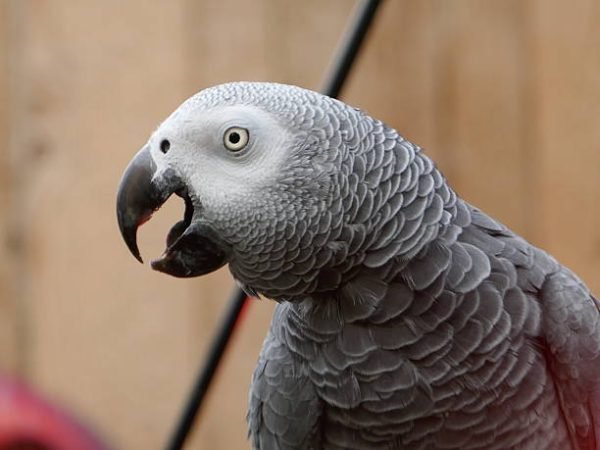
Congo African Greys are larger, typically weighing between 400-600 grams. They feature striking bright red tail feathers and a light grey plumage. Their vibrant coloration makes them easily recognizable.
In contrast, Timneh African Greys are smaller, usually around 300-400 grams. Their tail feathers are a darker maroon shade, giving them a unique look compared to their Congo relatives. Additionally, their overall body color is slightly darker.
Another notable difference is temperament. While both breeds exhibit intelligence and playfulness, the Timneh tends to be more laid-back and adaptable in new environments than the Congo variety. Understanding these key differences can help potential owners choose which parrot fits best with their lifestyle and home environment.
Best Cage, Toys, and Accessories for a Congo African Grey
Choosing the right cage for your Congo African Grey is essential. Look for a spacious design with horizontal bars, allowing them to climb and explore. A minimum size of 24×36 inches is recommended to give them room to move freely.
Toys are crucial for mental stimulation. Opt for puzzle toys that challenge their intelligence or shreddable items made from natural materials. Rotate toys regularly to keep things fresh and engaging.
Don’t forget about perches! Provide a variety of textures and sizes, including natural wood options, which help promote healthy feet.
Accessories like food bowls should be stainless steel or ceramic for easy cleaning. Consider adding swings or ladders inside the cage, as these will encourage exercise and playtime.
Invest in quality bedding material—paper-based products are ideal since they absorb moisture well without causing harm if ingested.
Common Health Problems in Congo African Grey Parrots
Congo African Grey parrots are known for their intelligence and social nature, but they can be prone to specific health issues. One common problem is feather plucking, often caused by stress or boredom. This behavior not only impacts their appearance but also indicates underlying emotional distress.
Another concern is nutritional deficiencies, particularly a lack of essential vitamins and minerals. An unbalanced diet can lead to weakened immune systems and other serious health complications.
Respiratory infections are also prevalent in these birds due to their sensitive respiratory systems. Dusty environments or exposure to smoke can exacerbate this issue.
Additionally, Congo African Greys may suffer from obesity if they’re overfed or lack adequate exercise. Keeping them active with toys and social interaction plays a crucial role in maintaining their weight and overall health. Regular veterinary check-ups help catch these problems early on.
What to Feed a Congo African Grey for a Long, Healthy Life
Feeding a Congo African Grey is a vital aspect of ensuring their long, vibrant life. These parrots thrive on a balanced diet rich in nutrients. A high-quality pellet formulated specifically for large parrots should form the base of their diet. It provides essential vitamins and minerals that are crucial for their health.
Fresh fruits and vegetables are equally important. Offer a variety to keep your parrot interested and satisfied. Leafy greens like spinach or kale, along with carrots, bell peppers, apples, and berries can be great additions to their meals. Remember to wash all produce thoroughly and remove any seeds from fruit before serving.
Nuts can also play an enjoyable role in your Congo African Grey’s diet but should be given sparingly due to their high-fat content. Almonds or walnuts make excellent occasional treats that they will love.
Hydration cannot be overlooked either; ensure fresh water is available at all times. Regularly clean the water dish to prevent bacterial growth.
Monitoring your bird’s weight is another key factor in maintaining its health through proper nutrition. Adjust portions accordingly if you notice any changes over time.
Providing a varied diet not only nourishes your Congo African Grey but also contributes significantly to its psychological well-being by keeping mealtime exciting! Investing time into understanding what foods best suit them will pay off in terms of longevity and happiness for your feathered companion.

This beautiful Congo African Grey is currently available!
This sweetie pie lives to snuggle and is super friendly. He/She is marvelously tame and has an incredibly clear vocabulary. Simply flawless in every way! A strikingly beautiful bird both inside and out.
We feed our African Greys a variety of fruits and vegetables, such as, sweet potatoes, fresh kale, broccoli, carrots, apples and peppers. All fruits and vegetables must be thoroughly washed to remove any harmful chemicals before being fed to the bird. We also feed a variety of Uccello seeds, pellets and nuts. Feeding pet birds the right foods is important for their health.
Reviews
There are no reviews yet.